Report

 2015


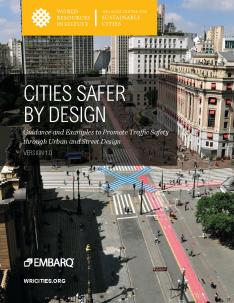
Cities Safer by Design is a global reference guide to help cities save lives from traffic fatalities through improved street design and smart urban development. Over 1.2 million people die in traffic crashes globally, mostly pedestrians, and that number is growing every year. This hands-on guide taps examples from cities worldwide and includes 34 different design elements to improve safety and quality of life.



Report

 2018


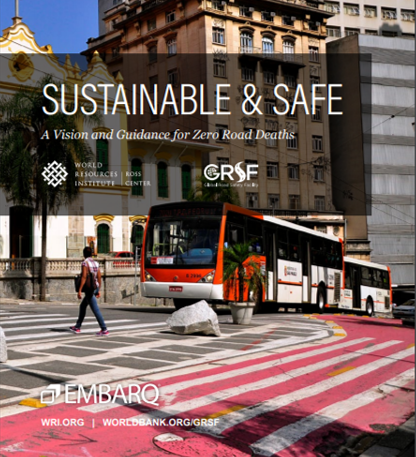
The “Safe System” approach requires a shift in responsibility from the people using roads to the people designing them. It is a systemic approach that integrates core management elements and action areas to create a safe mobility system. This report describes the components of the approach and presents evidence on its life-saving impact.


GSR

 2018


The Global status report on road safety 2018, launched by WHO in December 2018, highlights that the number of annual road traffic deaths has reached 1.35 million. Road traffic injuries are now the leading killer of people aged 5-29 years. The burden is disproportionately borne by pedestrians, cyclists and motorcyclists, in particular those living in developing countries. The report suggests that the price paid for mobility is too high, especially because proven measures exist. Drastic action is needed to put these measures in place to meet any future global target that might be set and save lives. 


GMR

 2017


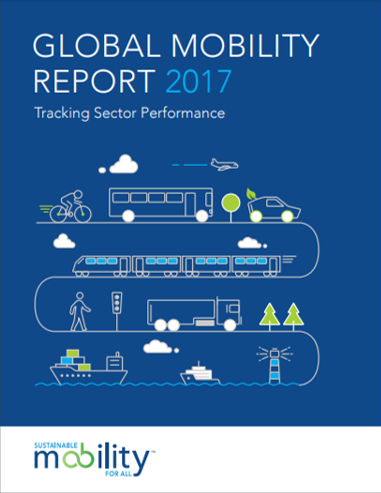
The Global Mobility Report 2017 (GMR) is the first-ever attempt to examine performance of the transport sector globally, and its capacity to support the mobility of goods and people, in a sustainable way. The GMR is built around three components: (i) four global objectives that define “sustainable mobility”; (ii) quantitative and qualitative targets for those objectives, drawn from international agreements; and (iii) indicators to track country-level progress towards those objectives. It covers all modes of transport, including road, air, waterborne and rail.


Mayo

 2021


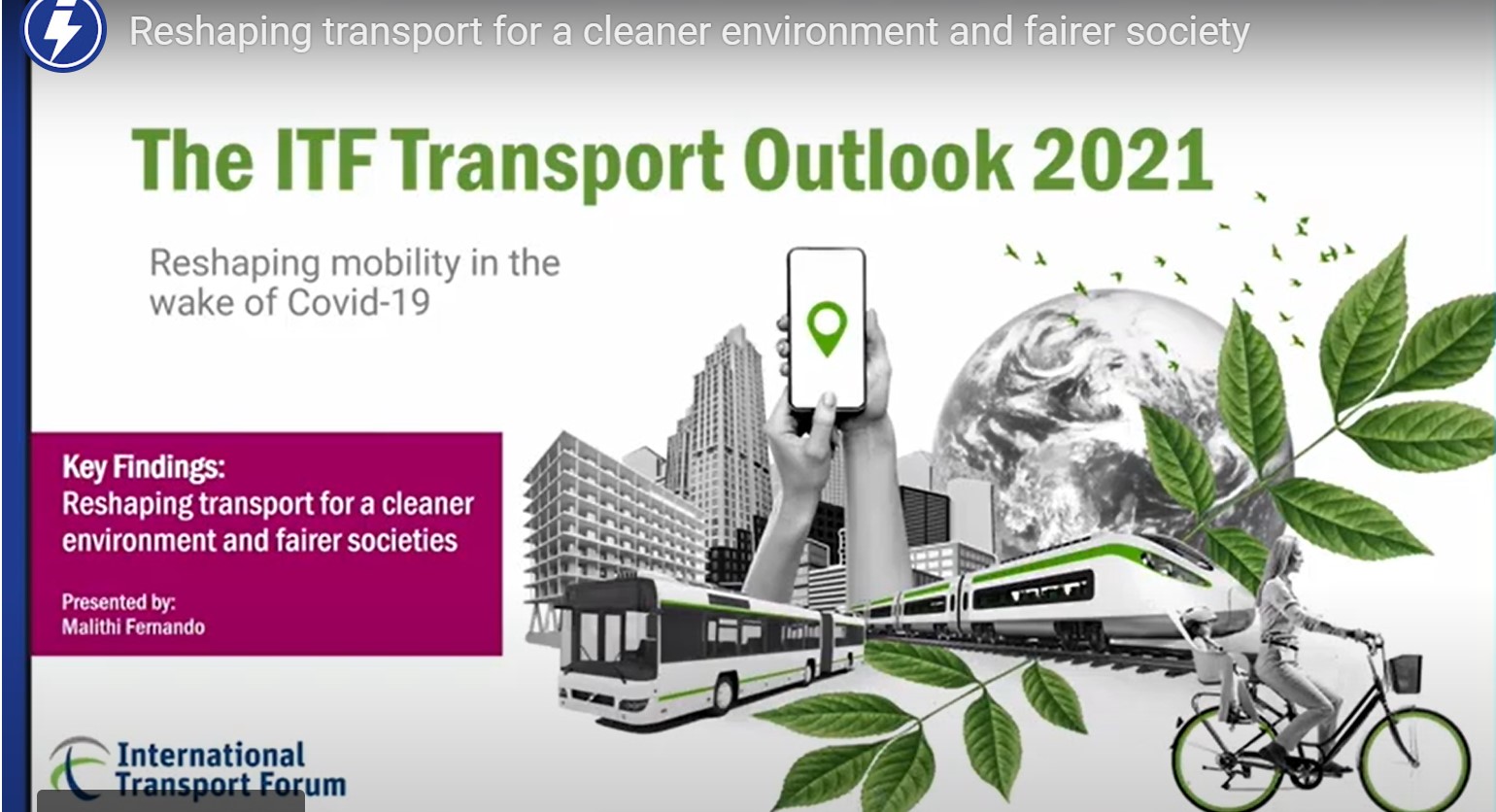
Ya se publicó el informe de Perspectivas del Transporte 2021 del ITF (International Transport Forum) que ofrece escenarios para la evolución de la demanda de transporte hasta 2050. También propone escenarios de descarbonización del transporte y sus impactos en el cambio climático. Sobre esta base, el informe Perspectivas del Transporte 2021 de la ITF identifica las decisiones que deberán tomar los responsables políticos para garantizar una transición hacia la movilidad sostenible que sea eficaz y equitativa. Esta edición incluye un enfoque especial sobre los impactos de la pandemia de Covid-19 en los sistemas de transporte, y modela los posibles cambios a largo plazo con desafíos y oportunidades para la descarbonización. 


27 Resultados / 6 Páginas
Página Actual 3