Report

 2019


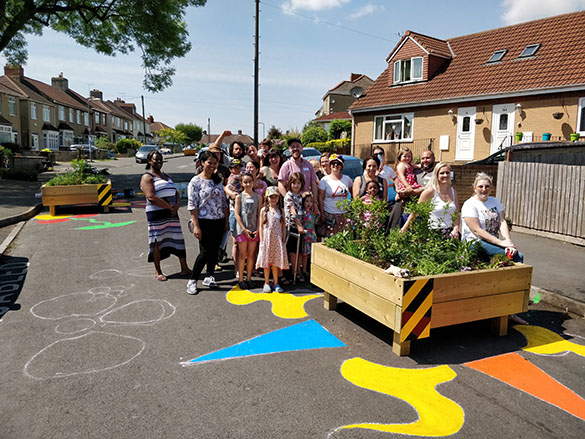
Road safety can start right outside your front door. This amazing research project involving the residents of a residential neighbourhood plagued by speeding car drivers and noisy, smelly delivery vans showed exactly what “people power” can achieve. The community came together and built strategically located planters in four test streets, and then painted brightly coloured patterns on the tarmac.

The result:

·Traffic volumes down by 50%

· Traffic speeds down by 13mph


Report

 2013


This updated edition has been prepared to complement the previous guidelines issued by the World Bank that were designed to support the successful implementation of the recommendations of the world report on road traffic injury prevention. The first guidelines were issued in 2004, soon after the launch of the World Report, in the form a brief transport note. Based on the lessons learned with their application they were subsequently revised...


Report

 2018


When the concept of Vision Zero was introduced in 1995, it turned the traditional view of road safety work upside down. From a focus on the prevention of accidents, the present direction is that no-one should die or be seriously injured in traffic.

The basic starting point for Vision Zero is the ethical standpoint that no-one should be killed or suffer lifelong injury in road traffic. This means that the view of safety in the road transport system concurs with those values that apply for safety in society as a whole. In working life, and within the rail, shipping and air transport sectors, it goes without saying that no deaths should occur as a consequence of accidents.

According to Vision Zero, the main problem is not that accidents occur – it is instead whether the accidents lead to death or lifelong injury. Vision Zero stresses the fact that the road transport system is an entity, in which different components such as roads, vehicles and road users must be made to interact with each other so that safety can be guaranteed. In order to prevent serious results from accidents, it is essential for the roads, and the vehicles they carry, to be adapted to match the capabilities of the people that use them.


Report

 2018


Inappropriate speed is responsible for 20 to 30 % of all fatal road crashes. After reviewing the current knowledge on the relationship between speed and crash risk, this report analyses eleven cases from ten countries that have recently changed speed limits or introduced a large-scale automatic speed control. The analysis confirms the very strong relationship between speed and crash risk and that higher speed is associated with increased occurrence and severity of road crashes.


1

 Junio


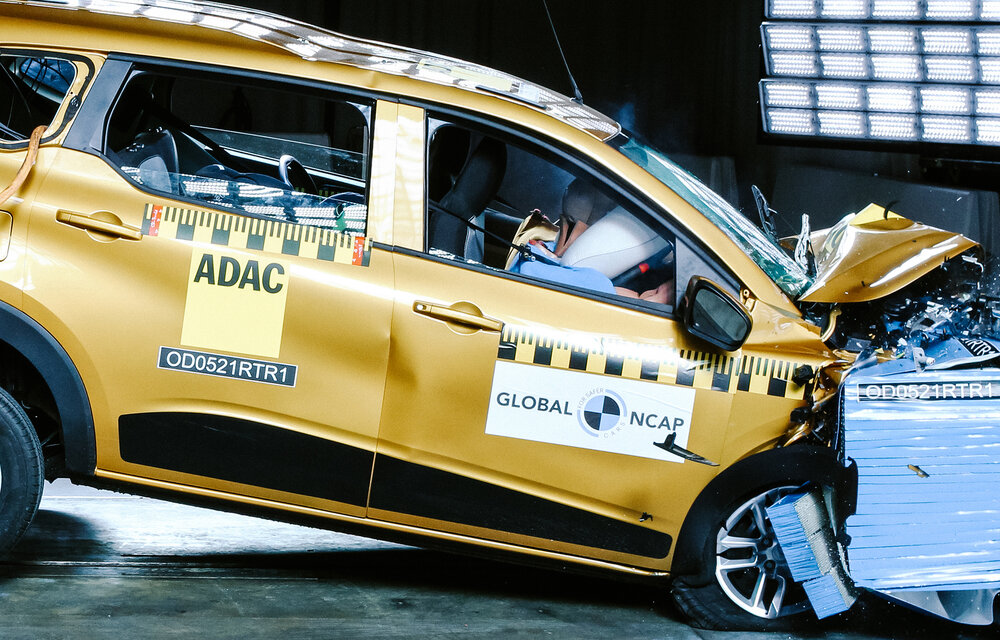
The Renault Triber has achieved an encouraging four star rating for adult occupants and three stars for child occupants in Global NCAP’s latest round of #SaferCarsForIndia crash tests.

Renault’s new compact crossover was tested in its most basic safety specification, with two airbags. The Triber showed significant improvements from previous Renault models tested by Global NCAP.

Alejandro Furas, Secretary General of Global NCAP said,

“Renault has significantly improved adult occupant protection performance in frontal crashes compared with our 2016 tests on the Kwid. The Triber sets a strong baseline for the manufacturer, and we encourage Renault to maintain this important progress as a minimum with the goal of achieving 5 star levels of safety.”

David Ward, President of the Towards Zero Foundation said,

“It is satisfying to note Renault’s safety improvements with Global NCAP’s Triber crash test result. We would encourage them to continue this progress, and to set a five star or Safer Choice rating as their future target for the Indian market.”


27 Resultados / 6 Páginas
Página Actual 2